The Problem: You Scanned Before You Checked
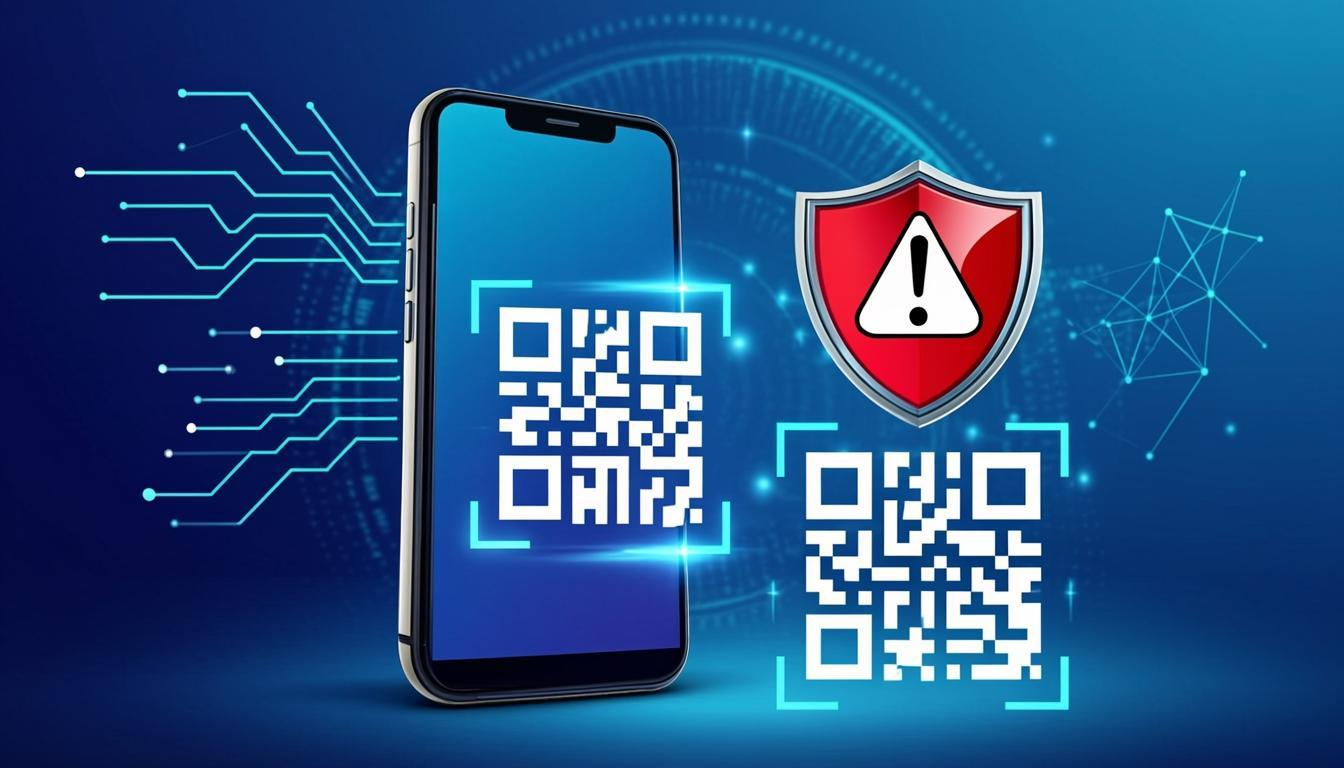
You see a QR code on a parking meter, a restaurant table, or a flyer. You scan it without thinking — and suddenly you're on a fake website that looks exactly like your bank. This is quishing, and it's one of the fastest-growing cyber threats today.
QR codes are powerful because they're frictionless — point your camera, scan, and you're there. But that same frictionless experience is exactly what makes them dangerous. Unlike a typed URL, where you can see and evaluate the destination before you go, a QR code hides its content behind a grid of black and white squares. You don't know where it leads until you've already scanned it. And by then, it might be too late.
The FBI has warned about QR code risks. The UK's National Cyber Security Centre has issued guidance on quishing. Security researchers have found misleading QR codes on parking meters, fake delivery notices, and even pasted over legitimate QR codes on restaurant tables. This is a real concern that grows as QR code usage increases.
In this guide, we'll cover the real security risks of QR codes, how to identify malicious codes, and what both scanners and creators can do to stay safe. We'll also explain how QREndlessPro protects your data by design.
Common QR Code Security Risks
Understanding the threats is the first step to protecting yourself. Here are the most common QR code security risks you should know about:
Quishing — QR Code Phishing
Quishing (QR code phishing) is the most prevalent QR code attack. It works like email phishing, but instead of a suspicious link in an email, the victim scans a QR code that leads to a fake website. These fake sites are designed to look identical to legitimate ones — your bank, your email provider, your company login page. The goal is to steal your credentials, payment information, or personal data.
What makes quishing especially dangerous is that people are less suspicious of QR codes than they are of email links. You've been trained to hover over a link before clicking, but you can't "hover" over a QR code. You scan it, and you're taken to the destination before you've had a chance to evaluate it.
Common quishing scenarios include: fake parking payment QR codes placed over legitimate ones, QR codes in phishing emails that claim to be from your bank, QR codes on fake delivery notices, and QR codes on counterfeit event tickets.
Data Harvesting and Tracking
Not every malicious QR code steals your password. Some are designed to harvest data about you. When you scan a QR code that opens a web page, the site can collect your IP address, device type, browser, approximate location, and the time you scanned. This data can be used for targeted advertising, profiling, or sold to data brokers.
Some QR codes in public spaces — like stores, restaurants, and transit systems — are designed primarily for tracking. The URL includes unique parameters that identify the specific QR code and location, allowing the business to track your movement and behavior. While this may be legitimate marketing, it's worth being aware of how much data you're sharing when you scan.
Payment Fraud
Fake payment QR codes are a growing problem, especially in markets where QR code payments are common. A merchant displays a QR code for customers to scan and pay — but an attacker has replaced it with their own QR code that redirects payments to a different account. The customer scans, pays, and the money goes to the attacker instead of the merchant.
This type of fraud is particularly insidious because the transaction appears to complete successfully. The customer doesn't realize anything is wrong until the merchant says they never received the payment. Always verify the merchant name and UPI ID on the payment screen before confirming any QR code payment.
Malicious Redirects and Malware
Some QR codes lead to websites that automatically download malware to your device. This is more common on Android devices where sideloading apps is possible, but iOS devices are not immune. A malicious QR code might lead to a page that prompts you to download a "required update" or "security patch" — which is actually malware. In some cases, the QR code exploits browser vulnerabilities to install malware without any user interaction.
How to Identify a Malicious QR Code
While you can't read a QR code with your naked eye, there are practical steps you can take to identify suspicious ones before you become a victim:
- Check the URL preview before opening: Most modern smartphones show a preview of the URL after scanning but before opening it. If the URL looks suspicious — misspelled domain names, unusual top-level domains (like .xyz or .tk), raw IP addresses instead of domain names, or domains that mimic a legitimate brand with slight variations (like "paypa1.com" instead of "paypal.com") — don't open it.
- Look for physical tampering: If a QR code appears to be a sticker placed over another QR code, or if the printed material looks altered, don't scan it. Attackers often paste their own QR codes on top of legitimate ones on parking meters, restaurant tables, and public signage.
- Be suspicious of QR codes in unexpected places: If you receive a QR code in an unsolicited email, text message, or physical mail — especially one that creates urgency ("Scan now to avoid account suspension!") — treat it with the same caution you'd give a suspicious link.
- Use a decoder instead of your camera: If you want to inspect a QR code without actually opening the link, use a tool like the QREndlessPro Decoder. It shows you the full decoded content — URL, text, or any other data — without navigating to it. You can evaluate the content safely before deciding whether to visit the link.
- Verify the context: If a QR code on a restaurant table says "Scan to pay" but the restaurant uses a different payment system, something is wrong. Always verify that the QR code makes sense in context.
For a deeper understanding of how QR codes encode data and why you can't visually distinguish a malicious one from a legitimate one, read our guide on How QR Codes Work.
Best Practices for Safe QR Code Usage
For Scanners — Protecting Yourself
- Check the URL before clicking: Most phones show a preview of the URL after scanning. If it looks suspicious (misspelled domains, unusual TLDs, IP addresses), don't open it.
- Use a QR scanner with built-in security: Some scanner apps check URLs against known phishing databases before opening them. The QREndlessPro Scanner auto-detects and validates URLs, and masks personal information by default.
- Be cautious with payment QR codes: Always verify the merchant name and amount before confirming any payment. If the payment details don't match what you expect, cancel the transaction.
- Don't scan random QR codes: If a QR code appears in an unexpected location or looks like it was pasted over another code, be suspicious.
- Decode before you scan: Use the QREndlessPro Decoder to inspect the content of a QR code before opening any links. This is especially useful for QR codes you're unsure about.
- Keep your device updated: Security patches protect against known browser and OS vulnerabilities that malicious QR code websites might exploit.
- Avoid third-party scanner apps: Use your device's built-in camera for scanning. Third-party scanner apps may collect your data or serve ads. Some have even been found to be malicious themselves.
For Creators — Protecting Your Audience
- Keep sensitive QR codes private: If your QR code contains private data (passwords, personal information, confidential URLs), share it only through trusted channels and avoid posting it publicly.
- Use HTTPS URLs: Always link to HTTPS pages to prevent man-in-the-middle attacks on the linked content. An HTTP URL in a QR code means the data between the website and the scanner is unencrypted.
- Use your own domain for QR code links: Avoid URL shorteners, which obscure the destination and can be repointed. A shortener like bit.ly/abc123 gives the user no idea where they'll end up, and the creator can change the destination at any time. Your own domain builds trust.
- Test before deploying: Always test your QR codes with multiple devices and scanners before printing or distributing them. Use the Scanner to verify the content, and test with both Android and iOS devices.
- Consider physical security: Anyone who can physically access your printed QR code can copy it or replace it. Place QR codes in locations where tampering is visible, and consider using tamper-evident stickers for high-value applications.
- Provide context: Always include text near your QR code that tells people what to expect when they scan it. "Scan to view our menu" is better than a bare QR code — it sets expectations and makes it harder for an attacker to replace the code with a different purpose.
QR Code Security for Businesses
If your business uses QR codes — for payments, menus, marketing, or access control — you have a responsibility to protect your customers. Here's what businesses should do:
- Use dynamic QR codes for public-facing applications: Dynamic QR codes point to a redirect URL that you control. If the destination needs to change, you update the redirect — no need to reprint the QR code. More importantly, if you discover a security issue, you can redirect the QR code to a safe page immediately.
- Monitor physical QR codes regularly: If you have QR codes on parking meters, tables, or posters, check them frequently for tampering. Attackers can paste their own QR codes over yours in seconds.
- Use branded, customized QR codes: A branded QR code with your logo and colors is harder to replace convincingly. Customers also learn to recognize your QR codes, making them more likely to notice if something looks different. Use the QREndlessPro Customizer to create branded QR codes that are harder to counterfeit.
- Implement secure payment verification: For payment QR codes, display the merchant name and UPI ID prominently alongside the QR code. Train staff to help customers verify payment details. Consider using the Bulk Generator to create unique, trackable payment QR codes for each register or location.
- Educate your customers: Include a brief note near QR codes about what to expect when scanning. "Scan this code to view our menu at menu.yourrestaurant.com" tells customers exactly what they should see, making them more likely to notice if something is wrong.
- Choose browser-based tools for generation: When generating QR codes that contain sensitive business data (payment details, internal URLs, access credentials), use tools that don't upload your data to servers. QREndlessPro is 100% browser-based — your data never leaves your device.
For more on how QR codes work technically and why security matters at the encoding level, see our QR Code Error Correction Explained guide.
How QREndlessPro Protects Your Data
Security isn't an afterthought at QREndlessPro — it's the foundation. Here's how every tool in the suite is designed to protect your data:
- 100% browser-based processing: Your data never leaves your device. All QR code generation, scanning, and decoding happens in your browser using JavaScript — no server uploads, no cloud processing, no API calls that transmit your data. When you generate a QR code with your UPI payment details, Wi-Fi password, or personal contact information, that data stays on your device. Period.
- XSS protection in the Decoder: The QREndlessPro Decoder sanitizes URLs and escapes HTML to prevent script injection from malicious QR codes. If you decode a QR code that contains a malicious script payload, the Decoder neutralizes it before displaying the content.
- PII masking in the Scanner: The QREndlessPro Scanner masks personal information (phone numbers, email addresses) in scan results by default. This prevents accidental exposure of sensitive data when showing scan results to others or taking screenshots.
- Safe URL validation: URLs decoded from QR codes are checked for suspicious patterns before being presented as clickable links. Known phishing patterns, suspicious TLDs, and IP-based URLs are flagged with warnings.
- No account required: We don't collect your email, name, or any personal information. No sign-up means no data to breach. Use the Generator, Bulk Generator, or any other tool without creating an account.
- No data retention: Since all processing happens in your browser and nothing is sent to our servers, there is no data stored, logged, or retained. When you close the tab, your data is gone from our system — because it was never in our system to begin with.
If you want to verify these claims for yourself, the Decoder and Scanner tools work entirely offline once the page is loaded — you can disconnect your internet and they'll still function. That's the proof that your data never leaves your device.
Frequently Asked Questions
Can QR codes contain viruses?
QR codes themselves cannot contain viruses — they're just data (usually text or a URL). However, a QR code can link to a malicious website that downloads malware to your device. The risk is in the destination, not the QR code itself. Always check the URL before opening it, and keep your device's operating system and browser updated to protect against known exploits.
What is quishing?
Quishing (QR code phishing) is a social engineering attack where an attacker uses a malicious QR code to direct victims to a fake website. The fake site is designed to look like a legitimate one — a bank, email provider, or payment system — and tricks victims into entering their credentials or personal information. Quishing is dangerous because people tend to trust QR codes more than suspicious email links, and because you can't see the destination URL before scanning.
Is it safe to scan QR codes on parking meters and restaurant tables?
It can be safe, but you should exercise caution. These are the most common targets for QR code tampering — attackers paste their own QR codes over legitimate ones. Before scanning, check that the QR code doesn't appear to be a sticker placed over another code. After scanning, verify the URL looks legitimate and matches the expected payment system or menu. If anything looks off, don't proceed.
How can I check a QR code before scanning it?
Use the QREndlessPro Decoder to inspect the content of a QR code safely. Upload a photo of the QR code, and the Decoder will show you the full decoded content — URL, text, or any other data — without navigating to it. You can evaluate the content before deciding whether to visit the link. This is especially useful for QR codes you're unsure about or that are in public locations.
Are QR code payments safe?
QR code payments are generally safe when you verify the details before confirming. The key risk is payment fraud — a malicious QR code that redirects your payment to the wrong account. Always check the merchant name and payment ID on the confirmation screen before completing the transaction. If the details don't match what you expect, cancel the payment. For businesses, using branded QR codes from the Customizer makes them harder to counterfeit.
Does QREndlessPro store my QR code data?
No. QREndlessPro is 100% browser-based — all QR code generation, scanning, and decoding happens in your browser using JavaScript. No data is uploaded to any server. You can verify this by disconnecting your internet after the page loads — the tools will continue to work. When you close the tab, your data is gone from our system because it was never sent to our servers in the first place.