What Is a GS1 Prefix?
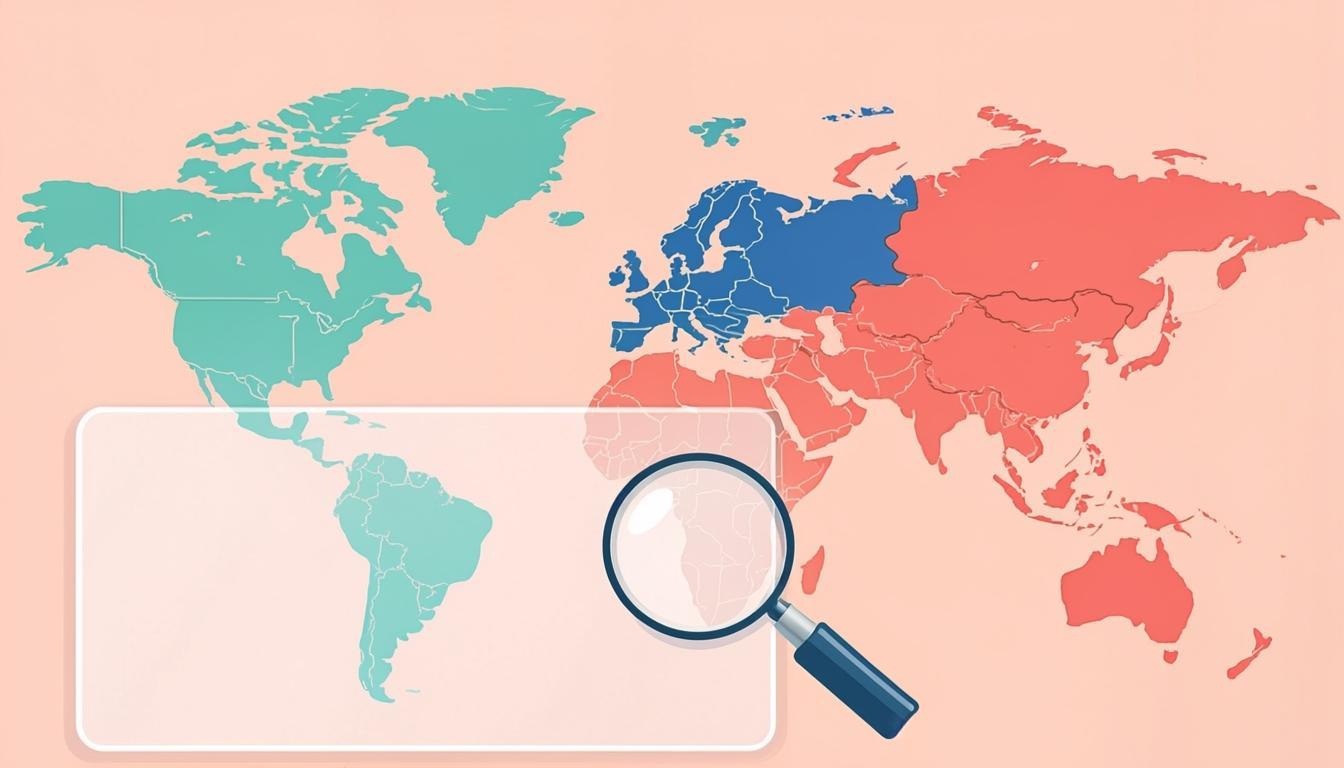
A GS1 prefix is the first 3 digits of any barcode. When you look at a barcode on a box of cereal, a bottle of shampoo, or the back of a book, the very first three numbers tell you something useful: which country or region the barcode was registered in. That country or region is managed by a local GS1 office. GS1 is the global, non-profit organization that hands out barcode prefixes to companies all over the world. So when you read the first 3 digits, you are reading a small piece of the barcode's origin story. A GS1 prefix lookup is a fast way to turn those three little numbers into a real place name — like France, China, or the United States — and the name of the GS1 member organization that issued it.
Why Use Our Free GS1 Prefix Lookup?
- 250+ real prefix ranges: Our table covers every assigned 3-digit prefix from 000 to 999, including special ranges like 977 for ISSN journals and 978 for ISBN books.
- Instant results: The answer appears the moment you type. No clicking, no waiting, no page reloads.
- 100% browser-based: The entire prefix table is embedded in the page bundle. Your barcode never leaves your device. No server, no API, no tracking.
- Free forever: No signup, no credit card, no rate limit. Use it once or one million times — it costs nothing.
- No signup: Open the page and start typing. No account, no email, no password to remember.
How GS1 Prefixes Work: A Simple Explanation
GS1 is a non-profit organization based in Brussels that runs the global barcode system. GS1 does not sell barcodes to companies directly. Instead, it works through local GS1 Member Organizations in over 100 countries. Each Member Organization gets its own block of 3-digit prefixes. When a company in that country joins GS1, it gets a company prefix that starts with one of those 3 digits. That is why the first 3 digits point to a country — they were assigned to a country's GS1 office.
For example, the prefix range 000-019 belongs to GS1 US (United States), 300-379 belongs to GS1 France, and 690-699 belongs to GS1 China. Some prefixes are reserved for special uses: 978 and 979 are for books (called Bookland), 977 is for magazines and journals (ISSN), and 020-029 is for in-store use only (like loose fruit weighed at the checkout).
Step-by-Step: Using the GS1 Prefix Lookup
- Type or paste any barcode into the lookup box above. EAN-13, EAN-8, UPC-A, GTIN-14, SSCC-18, or ISBN-13 all work.
- Watch the prefix get highlighted as you type. The tool reads the first 3 digits in real time.
- Read the country and GS1 Member Organization that issued the prefix. The result card shows both.
- Optionally cross-link to our barcode validator to confirm the check digit, or our check digit calculator to build a new barcode.
Real-World Examples of GS1 Prefixes
Here are three real barcodes you can find in stores right now:
- Nutella (3017620422003): The first 3 digits are 301, which falls in the 300-379 range. That means it was registered with GS1 France. (Nutella is made by Ferrero, an Italian company, but Ferrero registered this product code in France.)
- Coca-Cola can (5449000000996): The first 3 digits are 544, which falls in the 540-549 range. That block belongs to GS1 Belgium & Luxembourg. (The Coca-Cola Company is American, but this specific barcode was registered in Belgium for the European market.)
- Matilda book (9780140328721): The first 3 digits are 978, which is the Bookland prefix used for ISBN-13 books. The 978 block is administered by the International ISBN Agency, not a country GS1 office.
Who Uses a GS1 Prefix Lookup? Industries and Roles
A barcode prefix identifier is useful in many fields:
- Retail & Grocery: Buyers check where a product was registered before stocking it. A 690 prefix on a shampoo might raise questions about sourcing.
- Customs & Import: Inspectors spot-check barcodes against shipping paperwork. A mismatch between the prefix and the declared origin is a red flag.
- Books & Publishing: Librarians and booksellers confirm a 978/979 ISBN is legitimate and identify the registration group.
- Logistics: Warehouse managers spot SSCC-18 shipping labels (prefix 000-019 is common for US shippers) and route them correctly.
- Consumer Trust: Shoppers check a 544 prefix on a "Made in USA" claim. If the prefix says Belgium, the label might be misleading — this is how parallel-import detection works.
GS1 Prefix Glossary: Key Terms Explained
- GS1 Prefix
- The first 3 digits of an EAN/UPC/GTIN barcode. They identify which GS1 Member Organization issued the company prefix.
- EAN-13
- The 13-digit European Article Number, used worldwide outside North America for retail products. The first 3 digits are the GS1 prefix.
- UPC-A
- The 12-digit Universal Product Code, used mostly in the US and Canada. The first digit is the number system; the next digits include the company prefix.
- Bookland (978/979)
- Special GS1 prefixes reserved for ISBN-13 books under the International ISBN Agency. 978 was the original; 979 was added as ISBN-10 ran out of numbers.
- ISSN (977)
- The International Standard Serial Number — a barcode prefix reserved for serial publications like journals, magazines, and newspapers.
- GS1 Member Organization
- A local, non-profit GS1 office in a country or region (like GS1 US, GS1 France, GS1 China). They issue company prefixes to local businesses.
Tips for Getting the Best Results
- Enter digits only. Don't paste the hyphens from an ISBN like 978-0-14-032872-1. The lookup reads the first 3 numeric characters.
- Remember prefix ≠ country of manufacture. A 000 prefix means the barcode was registered in the US, not that the product was made in the US.
- Know the special prefixes. 977 is for journals, 978/979 is for books, 020-029 is in-store only, and 981-984 are for coupons. Don't treat them as country codes.
- Use the cross-link tools. After the prefix lookup, validate the full barcode with our barcode validator to confirm the check digit is correct.
- Save the result. Screenshot or copy the result card if you need it for a customs form, an audit, or a shopping list.
Common Mistakes to Avoid
- Confusing prefix with country of manufacture. A Coca-Cola can with a 544 prefix is not "made in Belgium." The prefix only tells you where the barcode was registered — the syrup could be made anywhere.
- Assuming 020-029 is a real country. It isn't. That range is reserved for in-store use (like loose produce weighed at the checkout). Every grocery store uses these numbers differently.
- Thinking 979 is only books. The 979 prefix covers both ISBN-13 books (979-1 through 979-9) and ISMN music scores (979-0). Don't assume a 979 barcode is automatically a book.
- Forgetting that prefixes can be reassigned. GS1 occasionally reassigns unused prefix ranges. Our table is current, but always cross-check with the official GS1 list for brand-new allocations.
GS1 Prefix Lookup vs Other Methods
You could buy a paid GS1 company prefix database subscription for hundreds of dollars a year. Those services give you the full company-prefix table (not just the 3-digit prefix), but they are overkill for someone who just wants to know "what country is this barcode from?" Our free GS1 prefix lookup gives you the country and Member Organization instantly, with no contract, no rate limit, and no signup.
You could also Google the prefix and sift through Wikipedia or random forum posts. That works, but it takes 30 seconds and you can never be sure the page you found is up to date. Our tool embeds the full official 250+ entry table from GS1 Global Office, so the answer is one keystroke away and always accurate. The difference between this tool and Wikipedia is the difference between a calculator and a math textbook — same data, much faster.
Ready to Look Up a Barcode?
You now know what a GS1 prefix is, how it works, what the special ranges mean, and how to avoid the common mistakes. The lookup tool above is ready whenever you are — type any EAN-13, UPC-A, ISBN-13, GTIN-14, or SSCC-18 and you'll see the country and Member Organization in milliseconds. It's free, private, and never expires. Jump back to the lookup tool above ↑