The Problem: Your QR Code Is Right, But the Format Is Wrong
You generated a URL QR code for your website. Now you need it as a vCard for your business card. You created QR codes in PNG format for email. Now the print team needs SVG. You built a batch of QR codes with Level L error correction. Now they're going outdoors and need Level H. You have 200 QR codes that need to be converted from one format to another — and re-creating them from scratch would take hours.
This is the gap that most QR code tools ignore. They help you create QR codes, but they don't help you transform existing ones. The QR Code Converter fills this gap — it takes existing QR code data and converts it into new formats, data types, and error correction levels without manual re-entry. It's the bridge between all QREndlessPro tools, and the tool that saves you from starting over every time your requirements change.
What the Converter Can Do
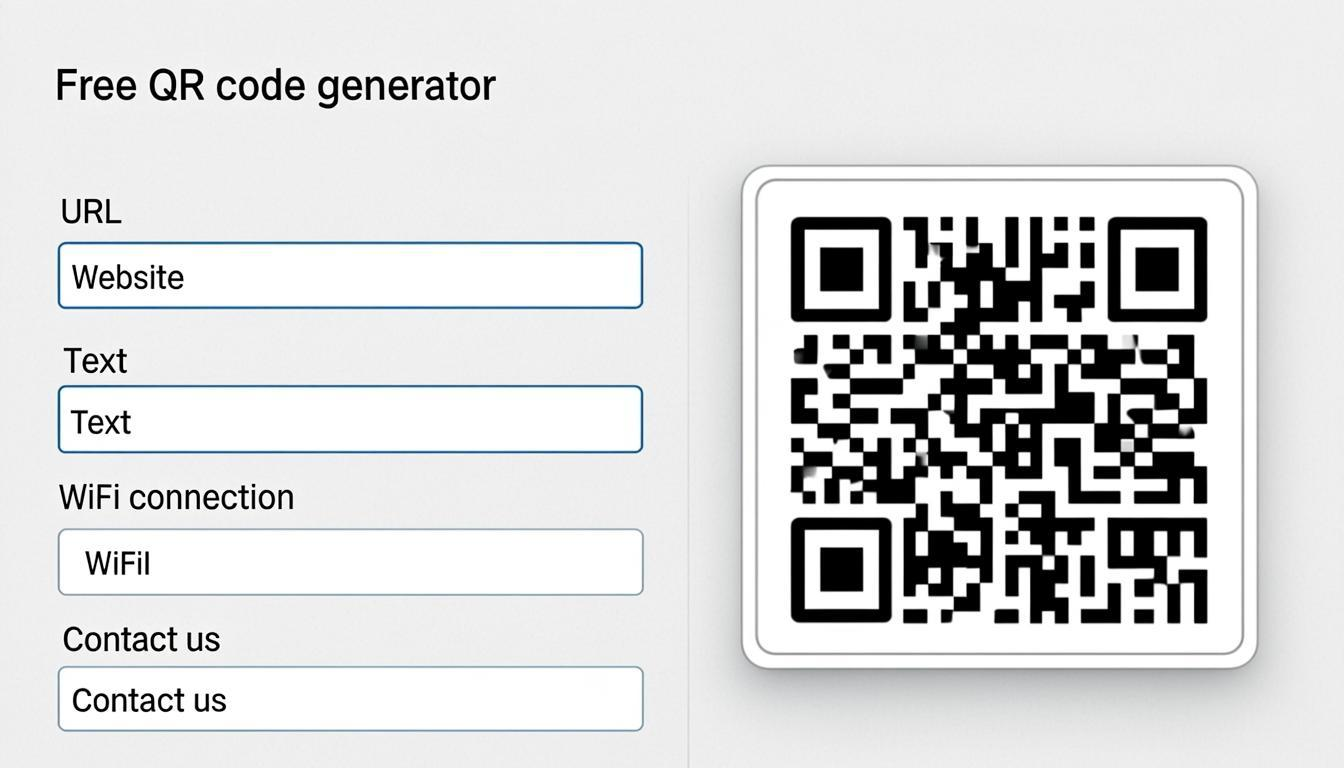
Data Type Conversion
The most powerful conversion feature — transform QR code data between types:
- URL to vCard: Take a website URL QR code and convert it into a contact info QR code that includes the URL as a personal website field. Perfect for business cards.
- vCard to URL: Extract the website URL from a vCard QR code and create a standalone URL QR code. Useful when you only need the link, not the full contact data.
- Wi-Fi to Text: Convert Wi-Fi credentials from a structured Wi-Fi QR code into a plain text QR code displaying the network name and password as readable text.
- Payment to URL: Convert a UPI payment QR code into a URL QR code linking to a payment page — useful for international users whose phones don't support UPI direct scanning.
- SMS to URL: Convert an SMS QR code into a URL that triggers the same message via a web-based SMS gateway.
- Any type to any type: The Converter extracts the underlying data from any QR code and re-encodes it in a new format, preserving as much information as the target type supports.
Error Correction Upgrade
Upgrade a QR code's error correction level without changing the data:
- Level L to M: Increase resilience from 7% to 15% damage tolerance
- Level M to Q: Increase resilience from 15% to 25%
- Level Q to H: Increase resilience from 25% to 30%
- Any to Level H: Maximum resilience for logo embedding, outdoor use, or harsh environments
Upgrading error correction makes the QR code slightly larger (more modules) but significantly more resistant to damage, dirt, and partial obscuring. This is essential before customizing with the QR Code Customizer for logo embedding.
Format Conversion
Change the output format of your QR code without re-generating:
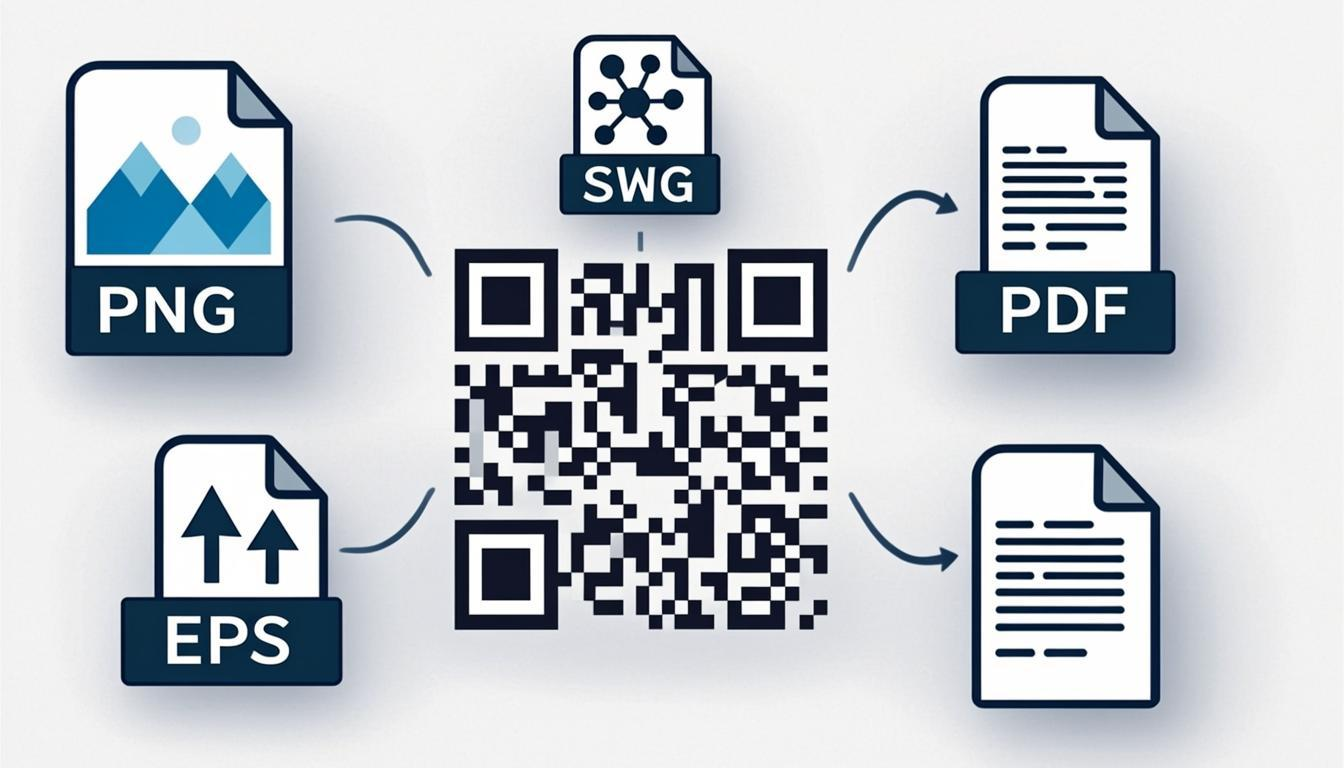
- PNG to SVG: Convert raster to vector for print use — SVG scales perfectly at any size
- SVG to PNG: Convert vector to raster for digital display — PNG is universally supported
- Any to PDF: Convert to PDF for document embedding and professional printing
- Any to EPS: Convert to EPS for professional graphic design workflows
- Any to WebP: Convert to WebP for modern web and app use — 30-50% smaller than PNG
Format conversion preserves the QR code's visual appearance and encoded data exactly — it's a pure format transformation, not re-encoding.
Batch Conversion
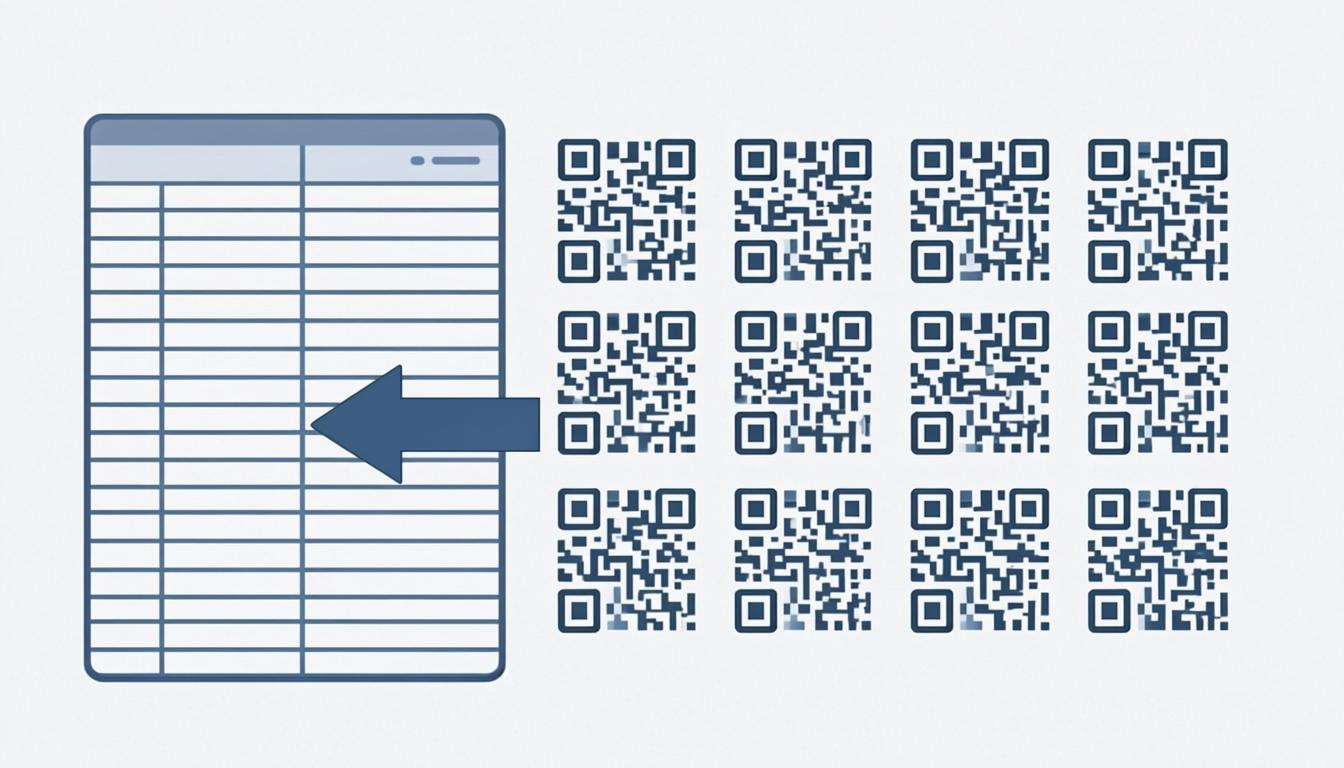
Process multiple QR codes at once — upload a batch of QR code images or data entries, and the Converter transforms them all simultaneously:
- Upgrade error correction for 50 QR codes at once
- Convert 100 URL QR codes to vCard format
- Change 200 PNG QR codes to SVG format
- Re-encode a batch with optimized parameters
This is especially powerful when combined with the Bulk Generator — generate in bulk, then batch-convert for different use cases.
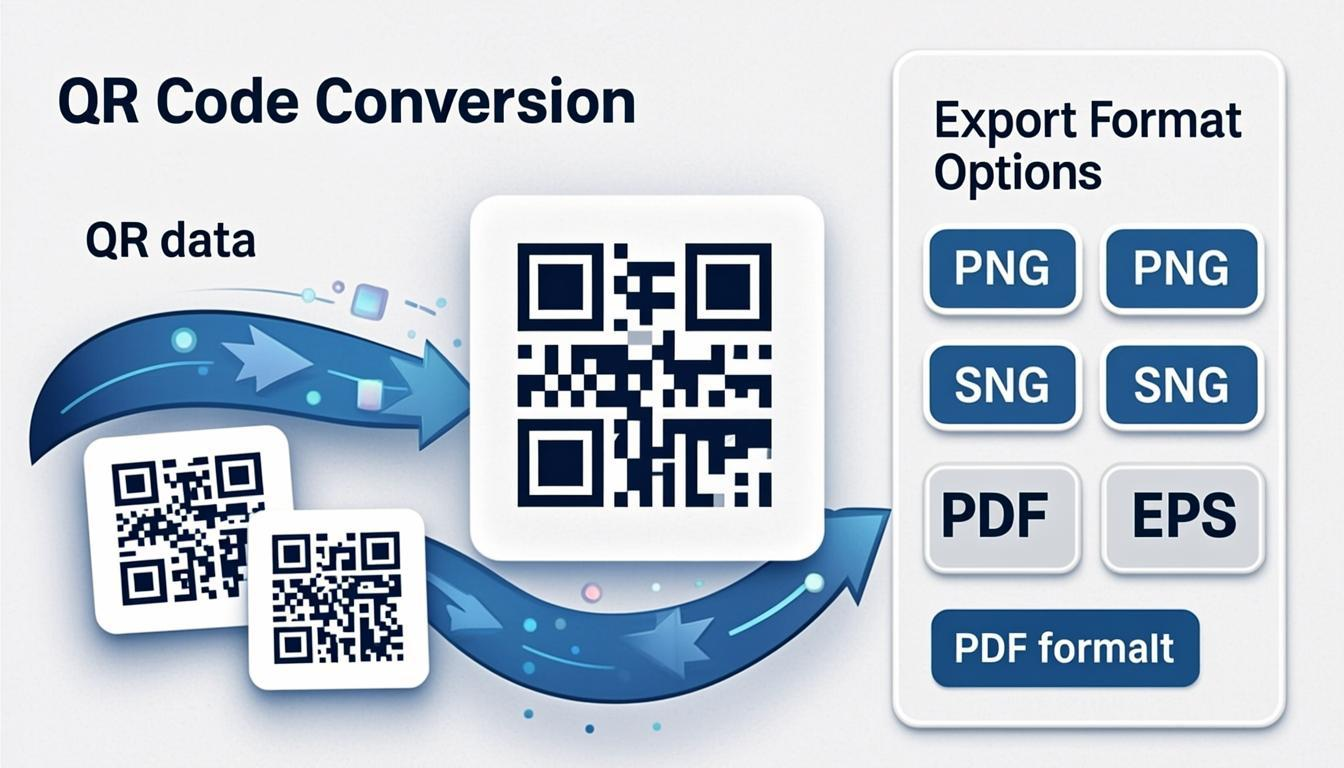
7 Export Formats for Converted QR Codes
The Converter supports 7 export formats. After conversion, the right format depends on where the QR code will be used:
- PNG 4K (3840 × 3840 px): Best for converted QR codes going to digital display, presentations, or email — high resolution ensures quality is maintained after conversion.
- JPG: Compact format for sharing converted QR codes in documents or via email where smaller file sizes help.
- WebP: Optimized for web — 30-50% smaller than PNG at the same quality. Best when converted QR codes are going on a website or app.
- Transparent PNG: No background — useful when your converted QR code will be placed over a colored surface, photo, or branded design.
- SVG: Vector format that scales perfectly. The best choice for converted QR codes going to print at any size.
- PDF: Print-ready format for professional printing workflows after conversion.
- EPS: For commercial printers and sign shops that require this format for production work.
Real-World Conversion Scenarios
Business Card Upgrade
The problem: You have a URL QR code on your business card linking to your portfolio. Now you want a full vCard QR code that includes your name, phone, email, company, and that same portfolio URL.
How the Converter solves it: Convert URL to vCard. The original URL is preserved as the "website" field in the new vCard, and you add the additional contact fields. Generate the new vCard QR code, then customize it with the Customizer for branded styling.
Outdoor Signage Preparation
The problem: You generated QR codes for indoor posters using Level M error correction. Now you need the same QR codes for outdoor billboards subject to weather and UV damage.
How the Converter solves it: Upgrade from Level M to Level H — same data, 30% damage tolerance instead of 15%. The QR codes become slightly larger, but they'll survive months of outdoor exposure. Export as SVG for large-format print.
Print Format Conversion
The problem: Your designer created QR codes in PNG format for web use. Now the print team needs SVG format for a magazine ad.
How the Converter solves it: Convert PNG to SVG. The QR codes are transformed to vector format without any data loss or quality degradation. They'll render perfectly at any print size.
International Payment Adaptation
The problem: Your UPI payment QR code works great in India, but international customers can't scan UPI codes directly.
How the Converter solves it: Convert the payment QR to a URL QR code linking to a web payment page that works globally. Same payment destination, different access method.
Campaign QR Code Optimization
The problem: You generated marketing QR codes with a third-party tool that used Level L error correction and an unnecessarily high QR version (making the code dense and hard to scan).
How the Converter solves it: Decode with the Decoder, then convert with the Converter — same data, optimal version, Level Q error correction. The result is a smaller, cleaner, more reliably scannable QR code.
Multi-Format Distribution
The problem: You need the same QR code in three formats — PNG for email campaigns, SVG for print collateral, and PDF for presentation decks.
How the Converter solves it: Generate once with the Generator, then convert to all three formats with the Converter. One data source, three distribution channels.
How to Use the Converter
- Input your QR code data: Upload a QR code image (decoded automatically), paste decoded data from the Decoder, or enter data manually.
- Select the conversion type: Data type conversion, error correction upgrade, format change, or batch processing.
- Configure target settings: Choose the new QR type, error correction level, format, and any additional data fields.
- Convert: The tool processes the transformation in your browser — zero server uploads.
- Download the result: Get your converted QR code in the selected format, ready for use or further customization with the Customizer.
Data Preservation During Conversion
A critical concern with any conversion tool: does the data survive intact? With the QREndlessPro Converter, yes — with caveats:
- Same-type conversions (error correction upgrade, format change): Data is preserved 100% identically. No loss, no modification.
- Cross-type conversions (URL to vCard, etc.): The original data is preserved within the target type's structure, but some data may not fit the target format. For example, converting a vCard to a URL preserves only the website field — other vCard data (phone, email) doesn't fit in a URL. The Converter clearly indicates which data is preserved and which can't be mapped.
- Data augmentation (adding UTM parameters, adding vCard fields): Original data is preserved, and new data is appended. You review and confirm additions before conversion.
When to Use vs. Related Tools
- Create a new QR code from scratch? Use the Free QR Code Generator — it's the starting point for all QR codes.
- Create many QR codes from data? Use the Bulk QR Code Generator for batch creation.
- Visually style a QR code? Use the QR Code Customizer for branding and design.
- Quickly scan a QR code? Use the QR Code Scanner for instant content detection.
- Analyze QR code structure? Use the QR Code Decoder for technical insights.
- Transform existing QR code data? Use the Converter — it's the transformation layer between all other tools.
The Converter as Your Workflow Bridge
The Converter connects all QREndlessPro tools into a seamless workflow. Generate with the Generator — upgrade error correction with the Converter — customize visually with the Customizer — verify with the Scanner — analyze with the Decoder — convert for new purposes with the Converter. It's a cycle — each tool feeds into the next, and the Converter is the bridge that transforms outputs into new inputs.
Getting Started
Ready to convert your first QR code? Here's the fastest path:
- Open the QR Code Converter.
- Input your QR code: Upload an image, paste decoded data, or enter data manually.
- Choose your conversion: Data type, error correction, format, or batch.
- Configure target settings: Select the new type, error correction level, and export format.
- Convert and download: Get your transformed QR code in seconds.
Every QREndlessPro tool is free, unlimited, and works entirely in your browser. No sign-up, no account, no hidden costs — just open and use.
FAQ
Does conversion change the encoded data?
Same-type conversions (error correction upgrade, format change) preserve data 100%. Cross-type conversions (URL to vCard) preserve the original data within the target format, with clear indication of any data that can't be mapped. Data augmentation (adding fields) preserves original data and adds new fields with your confirmation.
Can I convert a QR code image directly?
Yes. Upload a QR code image (PNG, JPG, SVG) and the Converter automatically decodes it, then presents conversion options based on the detected content type. You don't need to separately decode with the Decoder first — the Converter handles decoding as part of the conversion pipeline.
What happens when I upgrade error correction?
The QR code data remains identical, but more redundant error correction modules are added. This makes the QR code slightly larger (more modules per side) but significantly more resistant to damage. Level H can survive 30% damage, compared to Level L's 7%. The visual appearance is similar — just a slightly denser pattern of squares.
Can I batch-convert multiple QR codes?
Yes. Upload multiple QR code images or a batch data file, select the conversion type, and the Converter processes all entries simultaneously. This is efficient for upgrading error correction across a batch of marketing QR codes, converting a set of PNG QR codes to SVG, or transforming multiple URL QR codes to vCard format.
What format conversions are supported?
PNG to SVG, SVG to PNG, any format to PDF, any format to EPS, and any format to WebP. These are pure format transformations — the QR code's visual appearance and encoded data are preserved exactly. SVG conversion is especially useful for print, as vector format scales perfectly at any size without pixelation.
Can I convert a URL QR code to a vCard?
Yes. The Converter extracts the URL from the existing QR code and creates a vCard structure with the URL as the "website" field. You can add additional vCard fields (name, phone, email, company) during the conversion. The original URL is preserved, and the new vCard contains richer contact information.
Is converted data still processed in-browser?
Yes. All conversion operations — decoding, data transformation, re-encoding, and format rendering — happen in your browser. Your QR code data, images, and converted outputs never leave your device. Zero server uploads, zero cloud processing.
Can I add UTM parameters to a URL QR code?
Yes. This is one of the most useful conversions for marketing. The Converter takes your existing URL QR code, appends UTM parameters (source, medium, campaign, content, term), and generates a new QR code with the tracked URL. This enables campaign analytics without re-generating from scratch.
What if the target QR type can't hold all the original data?
The Converter clearly indicates which data fields from the original QR code can be mapped to the target type, and which can't. You review this mapping before conversion proceeds. Data that can't be mapped is flagged — you decide whether to proceed with partial data or choose a different target type that preserves everything.
Can I convert and then customize in one workflow?
Yes. Convert first (e.g., upgrade error correction to Level H, change data type), then take the converted QR code to the QR Code Customizer for visual branding. This two-step workflow — Convert then Customize — is the recommended path for transforming QR codes for new purposes with new visual requirements.
What export formats are available?
Seven formats: PNG 4K (3840 × 3840 px), JPG, WebP, Transparent PNG, SVG, PDF, and EPS. You can select one format or generate multiple formats simultaneously. SVG is recommended for print, WebP for web and apps, and Transparent PNG for overlays on colored backgrounds.