Scan a QR Code Instantly — No App Download, No Sign-Up Required
You need to scan a QR code right now. You don't want to download an app, create an account, or deal with ads. You just want to point your camera and get the result. But most QR scanners require an app download, show you ads, or upload your data to their servers. That's the problem QREndlessPro's browser-based QR Code Scanner solves.
QR codes are on everything — menus, posters, packages, tickets, payment terminals, business cards. But scanning them shouldn't require installing yet another app or giving a company access to your camera feed. The QREndlessPro Scanner works entirely in your browser. No download. No account. No data uploaded to any server. Open the page, point your camera, and get your result — instantly.
How the Scanner Works
The online QR scanner provides three scanning modes, each designed for a different situation:
Live Camera Scanning
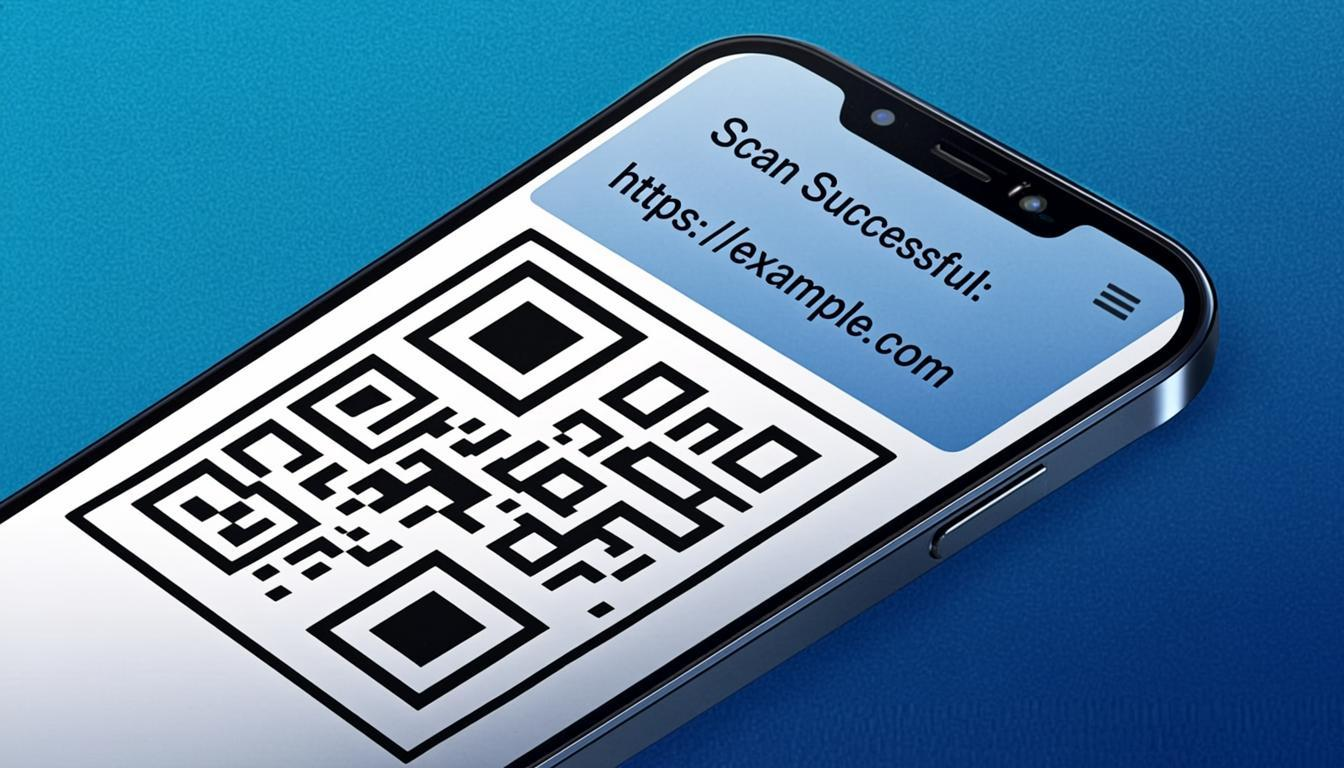
Open the Scanner on any device with a camera — phone, tablet, or laptop. The tool accesses your camera via the browser's WebRTC API, no app installation required. Point your camera at any QR code, and it's detected and decoded in real-time. Results appear the moment the code is recognized. This is the fastest way to scan QR code content when you have the physical code in front of you.
Image Upload Scanning
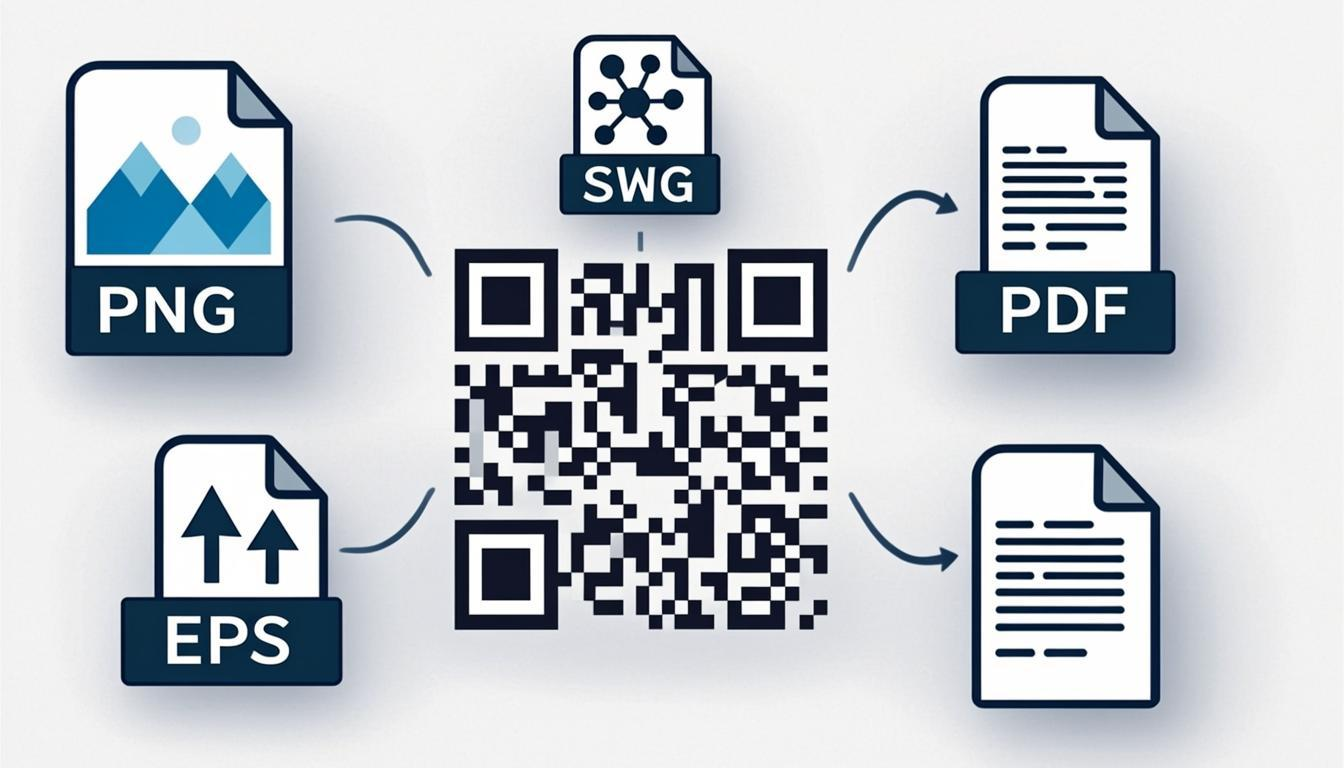
Have a saved QR code image from an email, a screenshot, or a photo? Upload it directly. The Scanner processes the image and extracts the encoded data. This is useful when you can't physically scan the code — someone sent you a QR code image, or you're working on a desktop without a camera. All common image formats are supported: PNG, JPG, WEBP, BMP, and SVG.
Bulk Scan: Decode Up to 100 Images at Once
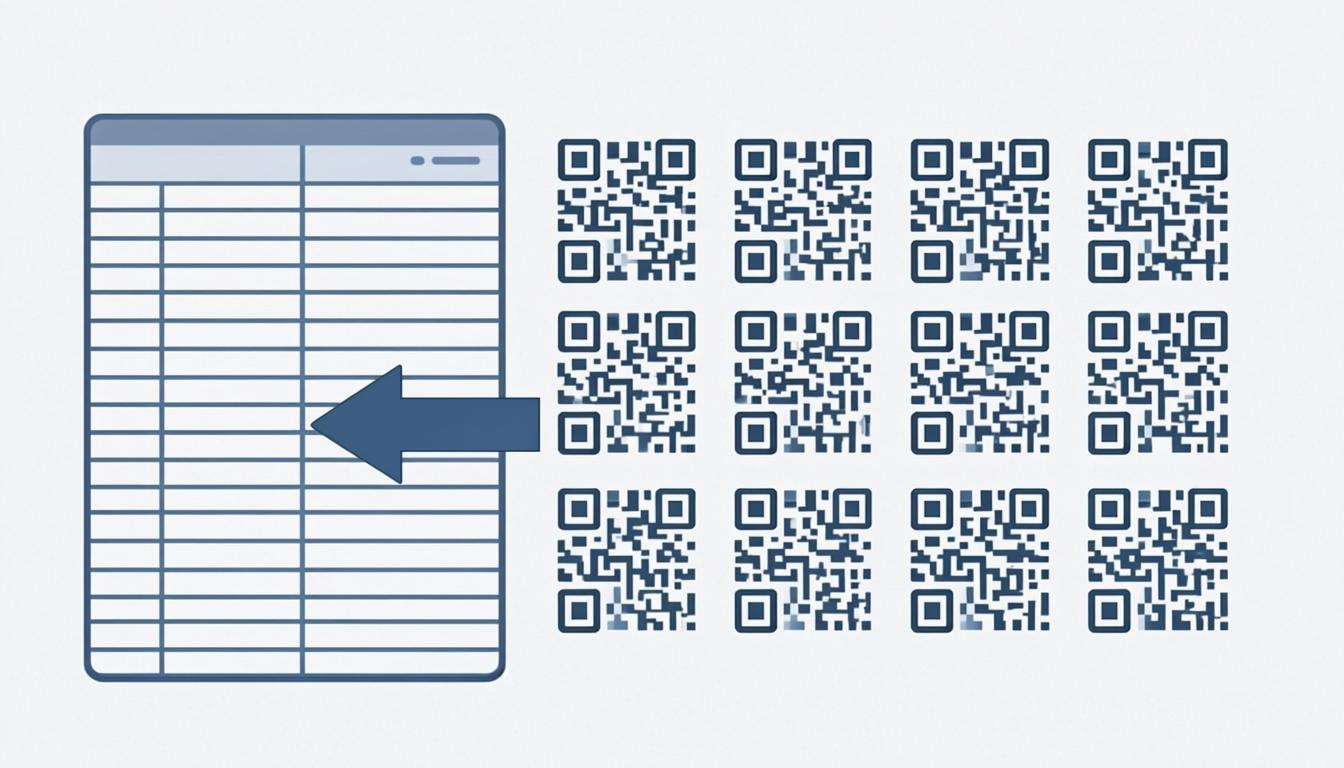
When you have dozens of QR code images that need decoding — product sheets, event tickets, inventory labels — scanning them one by one is tedious. The Scanner supports bulk upload of up to 100 images simultaneously. Drop all your files at once, and the Scanner decodes every QR code in every image, presenting all results in a single organized view. This is especially useful for quality-checking sheets generated by the Bulk QR Code Generator or processing large batches of product labels.
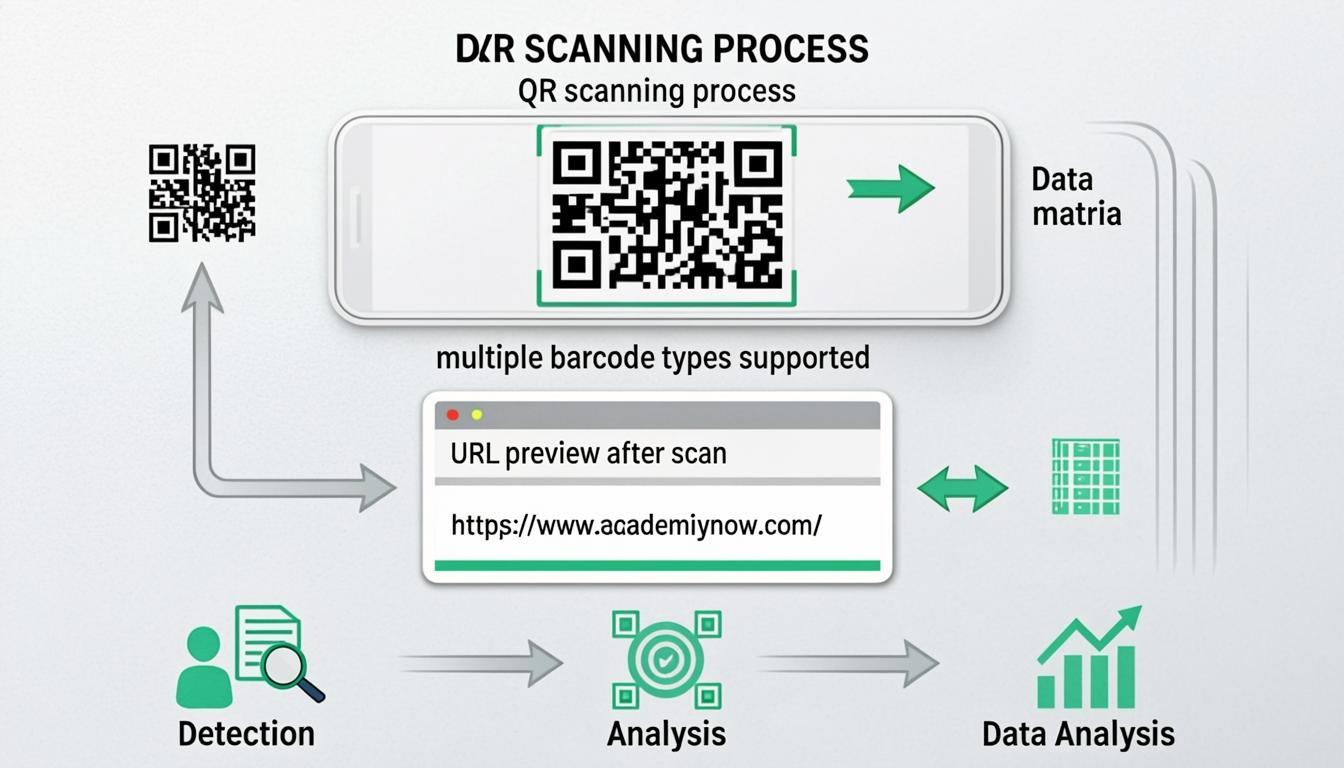
Fast Scanning on Any Device — How It Works
Speed matters when you're scanning QR codes. The QREndlessPro Scanner uses a dual-engine scanning system that delivers the fastest possible decode times on any device:
- Native browser scanning (BarcodeDetector API): On supported devices — Chrome on Android, Edge on Windows, and Chromium-based browsers — the Scanner uses your device's built-in barcode detection. This is the fastest method because it uses hardware acceleration, processing camera frames at full speed with minimal battery drain.
- WebAssembly fallback: On devices where native scanning isn't available — Safari, older browsers, iOS — the Scanner uses a fast, built-in decoding engine that runs in background threads. This keeps the page responsive while scanning at high speed.
- Dual-engine racing: On devices that support both engines, the Scanner runs them in parallel and takes whichever result arrives first. This means you get the fastest possible scan for your particular QR code and device combination.
The result is a camera QR scanner that feels instant on every device and every browser. No waiting, no lag, no missed frames. Just point, scan, and see the result.
1D Barcode Support: Beyond QR Codes
The Scanner isn't limited to QR codes. It also reads a wide range of 1D barcodes — the traditional linear barcodes found on products, shipping labels, and ID cards worldwide:
- EAN-13 / EAN-8: The standard retail product barcodes found on virtually every consumer product
- UPC-A / UPC-E: The North American retail barcode standard
- Code 128: High-density barcode used in shipping, packaging, and supply chain management
- Code 39: Widely used in automotive, defense, and healthcare industries
- ITF (Interleaved 2 of 5): Common on shipping cartons and warehouse labels
- Codabar: Used in libraries, blood banks, and FedEx shipping
This means you can use the Scanner as a full-featured barcode scanner online — scan product barcodes to look up prices, verify shipping labels, or decode inventory codes, all without installing a dedicated barcode scanning app. The same security features (URL validation, PII masking, XSS protection) apply to all barcode types.
Security Features — What Makes This Scanner Different
Most QR code scanners just decode the data and display it. That's dangerous. A malicious QR code could contain a phishing URL, a harmful script, or deceptive content. The QREndlessPro Scanner includes several security layers that protect you from these threats:
URL Validation
When a scanned QR code contains a URL, the Scanner automatically checks it for suspicious patterns:
- Common phishing pattern detection
- IP addresses instead of domain names (common in malicious codes)
- URL shorteners that obscure the destination
- Misspelled or look-alike domains (e.g., "g00gle.com" vs "google.com")
- Non-HTTPS URLs for sensitive content (payment, login pages)
Suspicious URLs are flagged with a warning before you click. Legitimate URLs are presented as verified links.
PII Masking
When a QR code contains personal information — phone numbers, email addresses, home addresses, payment details — the Scanner masks sensitive fields by default. You can reveal the full data with a click, but the default view prevents accidental exposure of private information on shared screens or in public settings.
XSS Protection
Some QR codes contain encoded HTML or JavaScript that could execute when displayed. The Scanner sanitizes all decoded content, escaping HTML tags and neutralizing script injection. This prevents malicious QR codes from running code on your device through the scanner's output.
Content Type Detection
The Scanner automatically identifies the type of data encoded in a QR code and presents it in the most useful format:
- URL: Displayed as a clickable link with security validation
- vCard (Contact): Formatted as a contact card with name, phone, email, etc.
- Wi-Fi: Shows network name, password, and encryption type
- UPI Payment: Displays payee name, UPI ID, and amount
- Email: Shows recipient, subject, and body
- SMS: Shows phone number and message content
- Phone: Displays the number with a call button
- Geolocation: Shows coordinates with a map link
- Calendar Event: Displays event details with an "Add to Calendar" option
- Plain Text: Displayed as-is with copy functionality
This intelligent formatting makes scanned content immediately useful — no need to manually parse raw encoded strings.
How to Scan Safely: Security Tips
While the Scanner provides built-in security features, your own habits matter too. Here's how to stay safe when scanning QR codes:
- Scan before you click: Always use the Scanner to check a QR code's content before following any links. See what's encoded, verify the URL is legitimate, and decide whether to proceed — all before clicking anything.
- Watch for URL red flags: If the decoded URL uses an IP address instead of a domain name, uses a URL shortener, or doesn't use HTTPS for sensitive content, proceed with caution.
- Be wary of unexpected QR codes: QR codes on posters, flyers, or stickers in public places could be placed by attackers covering up legitimate codes. If a QR code looks like it was stuck on top of something else, don't scan it.
- Check for quishing (QR phishing): If a QR code claims to be from your bank, a delivery service, or a government agency, verify the decoded URL matches the official domain. Attackers use QR codes in phishing emails just like they use fake links.
- Use the Decoder for deep analysis: If something feels off about a QR code, run it through the QR Code Decoder for a complete technical breakdown — encoding mode, version, error correction level, and raw byte-level data. This helps identify hidden or unexpected data segments.
- Keep PII masking on: When scanning in public or on shared screens, leave PII masking enabled. It prevents accidental exposure of phone numbers, emails, and payment details to bystanders.
For a deeper understanding of QR code security, read our guide on QR code security.
Real-World Use Cases
Verifying QR Codes Before Distribution
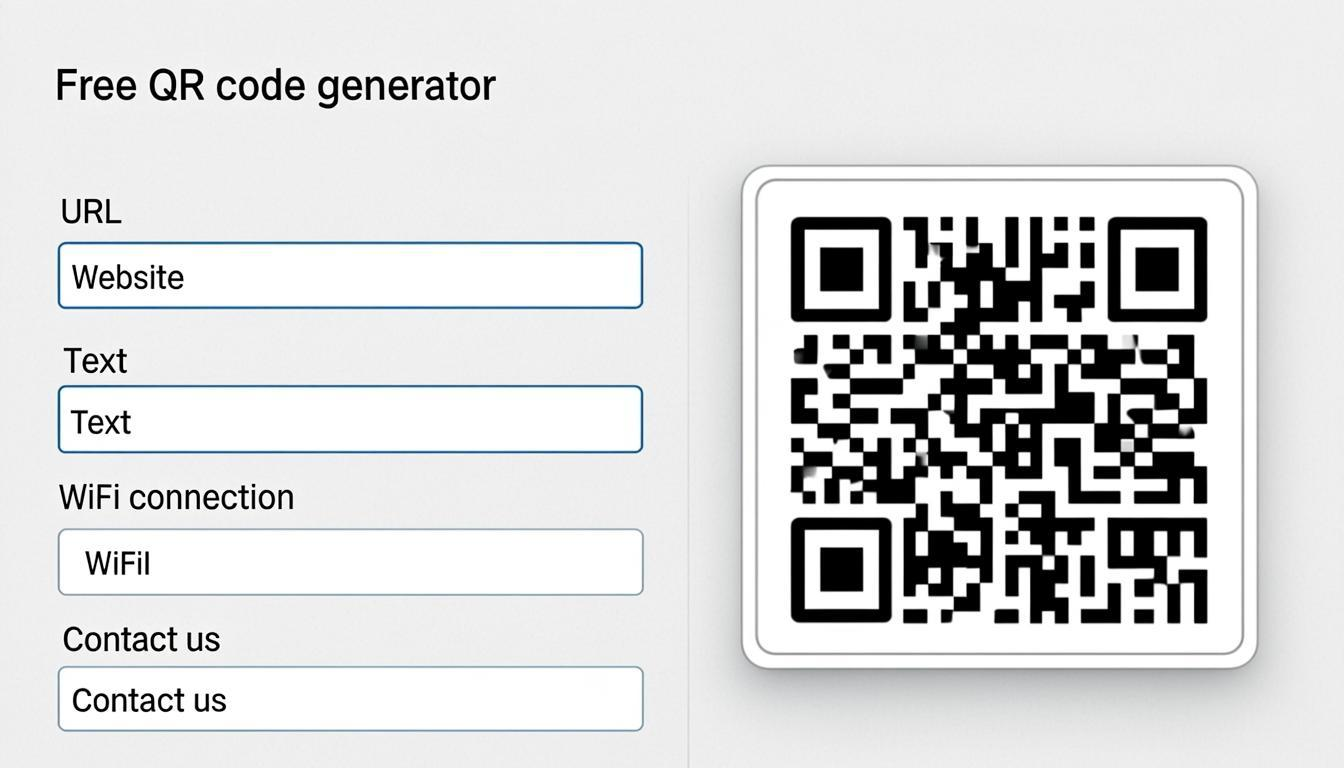
Generated a QR code with the Free QR Code Generator or customized it with the QR Code Customizer? Scan it with the Scanner to verify it encodes the correct data before printing or sharing. This quality check prevents embarrassing mistakes — wrong URLs, missing fields, or broken codes.
Checking Unknown QR Codes
Found a QR code on a poster, a product, or a document? Scan it with the Scanner's security checks before interacting with the content. See what's encoded, verify the URL is legitimate, and decide whether to proceed — all before clicking anything.
Event Check-In
Use the Scanner to verify event tickets at check-in. Each ticket's QR code encodes the attendee's name, ticket ID, and registration details. Scan, verify, and mark attendance — all in seconds. The dual-engine scanning system ensures continuous real-time scanning without delays, even during high-traffic check-in periods.
Inventory Verification
Scan product QR codes and 1D barcodes (EAN, UPC, Code 128) to verify inventory data — SKU, batch number, location, expiry date. The formatted output makes verification quick and accurate. No manual lookup, no typing, just scan and confirm.
Bulk Quality Assurance
Generated hundreds of QR codes with the Bulk QR Code Generator? Use the Bulk Scan feature to upload up to 100 images at once and verify they all encode the correct data. This batch verification workflow catches errors before they reach print or distribution.
Extracting Contact Information
Received a business card with a QR code? Scan it to instantly extract the full contact profile. The vCard data saves directly to your contacts — name, phone, email, company, social media. Zero manual entry.
When to Use vs. Related Tools
- Need to generate a QR code? Use the Free QR Code Generator to create it.
- Need to generate many QR codes? Use the Bulk QR Code Generator for batch creation.
- Need to brand a QR code? Use the QR Code Customizer for visual styling.
- Have a QR code image and want deep technical analysis? Use the QR Code Decoder — it reveals encoding mode, version, error correction level, and raw byte-level data.
- Need to convert scanned data to a different QR code type? Use the QR Code Converter after scanning.
- Need to improve a low-quality QR code image? Use the QR Code Enhancer to sharpen and upscale before scanning.
For a thorough security audit, scan first with the Scanner for quick content detection and security checks, then analyze with the Decoder for detailed technical information. This two-step approach gives you both usability and depth. Learn more about how QR codes work under the hood in our fundamentals guide.
Frequently Asked Questions
Does the Scanner require an app download?
No. The QR scanner works entirely in your web browser — no app download, no installation, no account required. It uses the WebRTC camera API for live scanning and processes everything locally on your device. Works on any device with a camera and a modern browser.
Can I scan QR codes from uploaded images?
Yes. Upload any image file (PNG, JPG, WEBP, BMP, SVG) containing a QR code, and the Scanner will decode it. This is useful when you receive QR codes via email, screenshots, or photos, and can't physically scan them with your camera.
How does the dual-engine scanning work?
It's a two-part scanning system: on supported devices, the Scanner uses the browser's built-in BarcodeDetector API for hardware-accelerated scanning. On other devices, it uses a fast WebAssembly decoder running in background threads. On devices that support both, it runs them in parallel and takes whichever result arrives first — giving you the fastest possible scan on every device.
What is Bulk Scan and how many images can I upload?
Bulk Scan lets you upload up to 100 images at once and decode all QR codes in all images simultaneously. It's perfect for batch quality-checking QR codes generated by the Bulk Generator, verifying product labels, or processing event tickets in bulk.
Can the Scanner read 1D barcodes like EAN and UPC?
Yes. The Scanner reads a wide range of 1D barcodes in addition to QR codes, including EAN-13, EAN-8, UPC-A, UPC-E, Code 128, Code 39, ITF, and Codabar. This makes it a complete barcode scanner online — you can scan product barcodes, shipping labels, and inventory codes without a dedicated app.
Does the Scanner work on desktop computers?
Yes, with two options: (1) If your desktop has a webcam, use live camera scanning. (2) If no camera is available, upload a QR code image for decoding. Both methods work on any desktop browser.
How does URL security validation work?
When a scanned QR code contains a URL, the Scanner checks it against several security criteria: known phishing patterns, IP-based URLs, URL shorteners, look-alike domains, and HTTPS presence. Suspicious URLs are flagged with a warning. The Scanner doesn't block URLs — it informs you so you can make a safe decision.
What is PII masking?
PII (Personal Identifiable Information) masking hides sensitive data in scan results by default — phone numbers show as "555-***-1234", emails show as "j***@example.com". This prevents accidental exposure of private information when scanning in public or on shared screens. Click "Reveal" to see the full data.
Is my scanned data stored anywhere?
No. All scanning and decoding happens in your browser. Your camera feed, uploaded images, and decoded data are never sent to any server. QREndlessPro has zero server-side processing. Your scanned data stays completely private on your device.
What happens if a QR code is damaged or partially obscured?
QR codes with error correction (all standard QR codes) can be scanned even when partially damaged. The Scanner uses the QR code's built-in error correction to recover data from damaged or obscured codes. However, if damage exceeds the error correction capacity (7-30% depending on the level), scanning may fail. Use the Decoder for more detailed analysis of damaged codes, and read our guide on QR code error correction to understand how recovery works.
Can I use the Scanner to verify QR codes I generated?
Absolutely. After generating a QR code with the Generator or customizing it with the Customizer, scan it to verify the encoded data matches your expectations. This is a crucial quality check before printing or distributing any QR code.